

An air quality map is a visual representation of the quality of air in a particular region, city, or neighborhood. This map is generated using data from a variety of sensors that monitor pollutants in the atmosphere. These sensors measure the concentration of harmful particles like PM2.5, PM10, nitrogen dioxide, carbon monoxide, and ozone, providing a real-time assessment of how clean or polluted the air is in a given area. The data is then processed and displayed on an interactive map, enabling users to see the current air quality conditions.
The primary goal of an air quality map is to inform the public about potential health risks associated with polluted air. Individuals can use these maps to plan their activities, especially in areas where air pollution is a significant concern. For example, those with respiratory issues may want to avoid outdoor activities when the air quality index (AQI) shows high levels of pollutants. This information helps people make informed decisions to protect their health and well-being.
The Effect of Smog on Air Quality
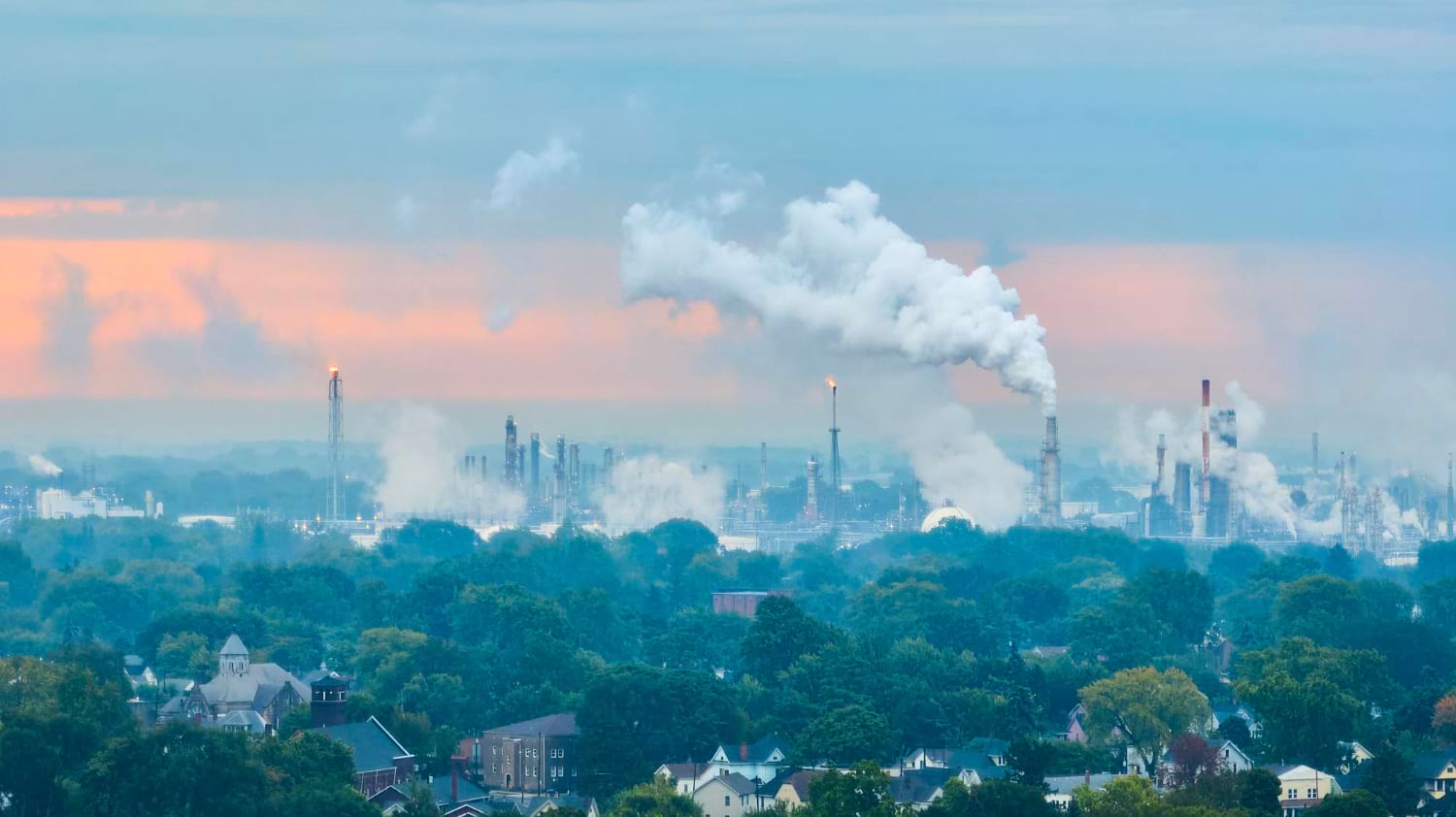
Smog is one of the most dangerous forms of air pollution, significantly impacting the readings on an air quality map. It consists of a mixture of airborne pollutants, such as nitrogen oxides and volatile organic compounds, that react with sunlight to form ozone at ground level. This form of ozone, although different from the ozone layer protecting us from ultraviolet rays, is harmful to human health.
Smog can cause severe respiratory problems, particularly in vulnerable groups like children, the elderly, and people with pre-existing health conditions. Long-term exposure to smog can lead to chronic respiratory diseases like asthma and bronchitis. When smog levels are high, the air quality map will reflect poor air conditions, often displaying warnings for individuals to limit their exposure to the outdoors.
In many urban areas, smog is a regular occurrence due to traffic emissions, industrial activities, and environmental conditions such as temperature inversions. When weather conditions trap pollutants near the ground, smog can persist for days, significantly lowering air quality and contributing to public health crises.
How Air Quality Maps Are Created
Air quality maps are created by collecting data from a wide network of air quality sensors. These sensors are strategically placed in different locations to ensure comprehensive coverage of a city or region. Some of these sensors are stationary, while others are mobile, providing continuous real-time data about pollution levels.
Each sensor measures various pollutants, and this data is sent to a central system where it is analyzed and visualized on an air quality map. Advanced algorithms and models are used to predict how air quality might change in the coming hours or days, allowing for both real-time and forecasted views of air quality.
The data displayed on an air quality map is often color-coded to represent the levels of pollutants in the air. Green indicates good air quality, while yellow, orange, red, purple, and maroon indicate worsening levels of pollution, with maroon being the most dangerous. The map allows people to zoom into specific areas to see detailed air quality information, making it an invaluable tool for those living in areas with fluctuating pollution levels.
Checking Air Quality Online
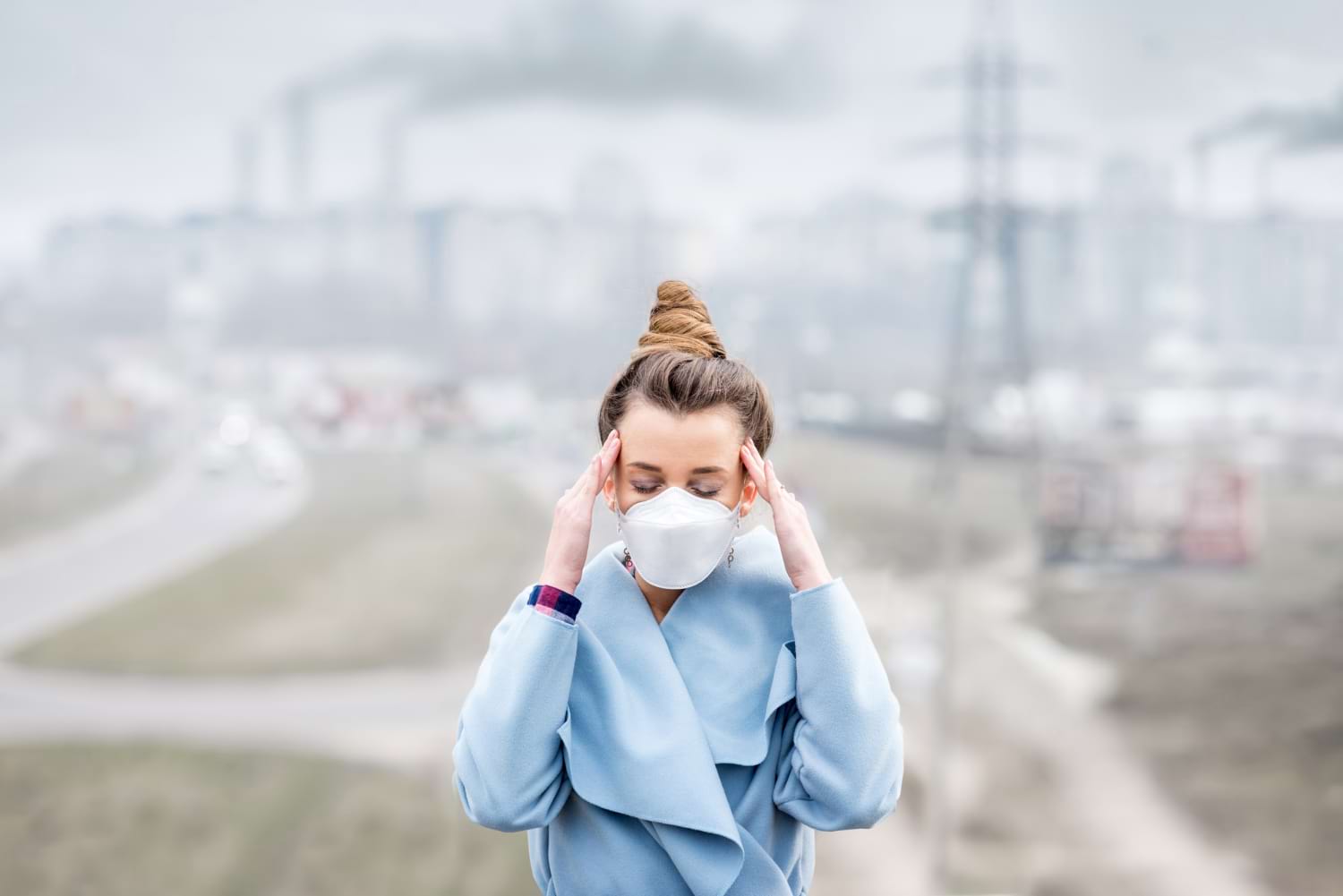
With the increasing availability of technology and sensors, it has become easier than ever to check air quality online using an air quality map. Many websites and mobile applications provide users with easy access to real-time data. Some of the most popular platforms include government-run websites and apps like AirVisual, AirNow, and local air monitoring systems.
These platforms use an air quality map to display the AQI in different parts of a city, allowing users to see where air pollution is highest. In addition to current data, these tools often provide historical trends and forecasts, enabling people to track how air quality changes over time and what factors contribute to those changes. For example, users can see whether pollution levels rise during rush hour or if weather conditions are causing an increase in smog formation.